Our heritage
A story of survival, spotlight and reinvention
From Old Portsmouth to centre stage
Before it stood proudly on Guildhall Walk, the Theatre Royal had already made its mark in Old Portsmouth. Built in 1761 by John Arthur of the Bath Company, the original theatre on the High Street became known as the Theatre Royal, passing through many names and owners including Thomas Ellis Owen and actor-manager William Shalders. It was even mentioned in Dickens’ Nicholas Nickleby.
In 1854, the building was sold to the War Office and a new chapter began.
The beginning of Theatre Royal
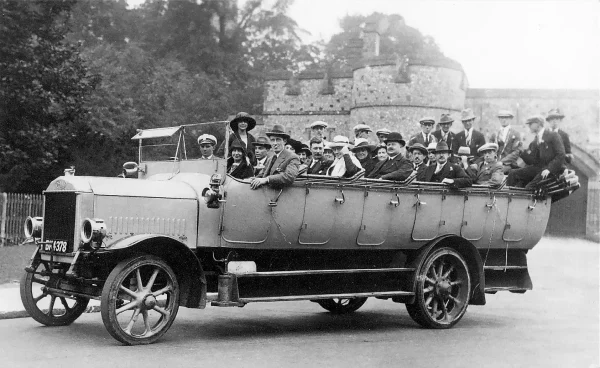
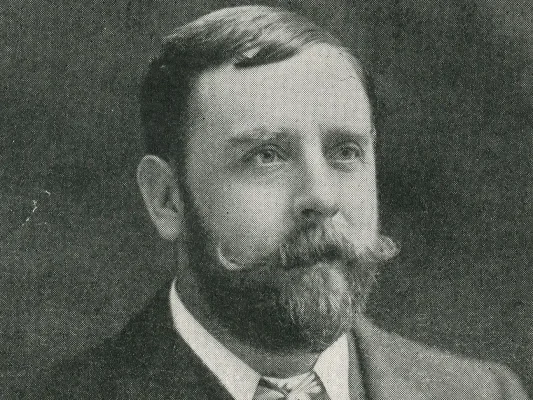
That same year, Henry Rutley, a former circus proprietor, bought the White Swan pub and leased Landport Hall next door. His vision? To create “a place of entertainment to which the middle classes of the borough might resort.”
He got a theatre licence on the condition the venue be separated from the pub, and in 1856, the Theatre Royal as we know it opened its doors in Landport.
Built by visionaries
The theatre’s architecture reflects the work of two of the greatest names in 19th-century theatre design:
- Charles John Phipps, who designed the 1884 rebuild, and
- Frank Matcham, who remodelled it in 1900.
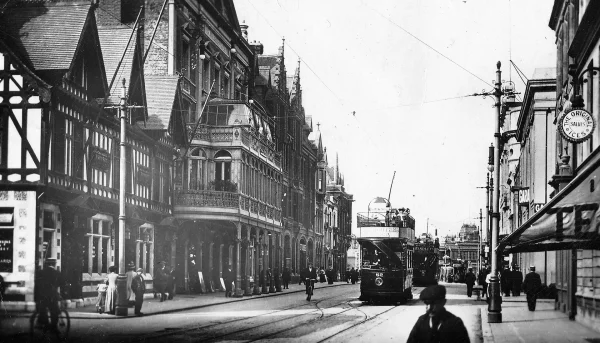
Together, their work shaped the theatre’s elegant Victorian character with later additions bringing technical flexibility and modernity.
It's a survivor
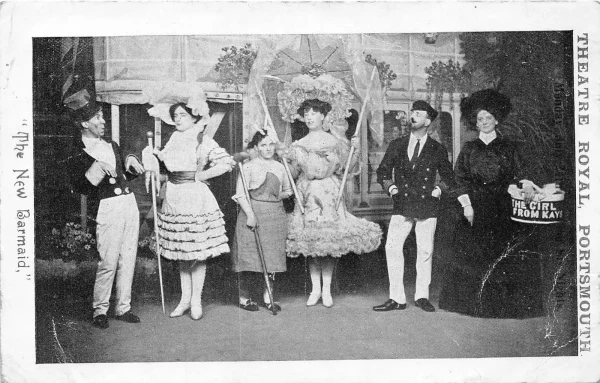
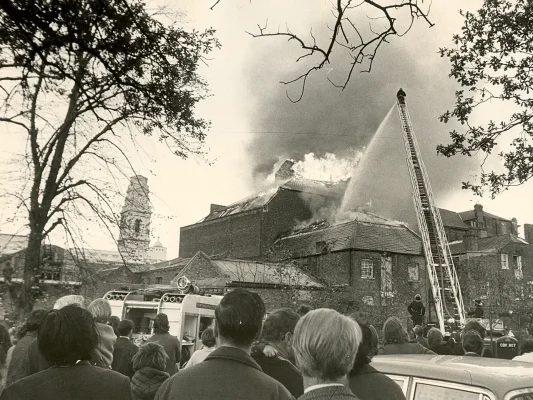
The theatre has survived a WWII carpet bombing, multiple fires, a proposed demolition, and years of closure. It’s been a cinema, a bingo hall and a wrestling venue, before returning to life as a working theatre in 1986 and again after major refurbishments in 2015.
Its story includes:
- Sarah Bernhardt signing a dressing room wall
- Oliver Hardy throwing his birthday party there
- Stars like Twiggy, Tony Crombie, Ellen Terry, and Max Miller lighting up the stage
- Fires that damaged but never destroyed
- A community campaign that stopped the bulldozers in 1968
It’s a history of rising, rebuilding and performing, again and again.
The Theatre Royal today
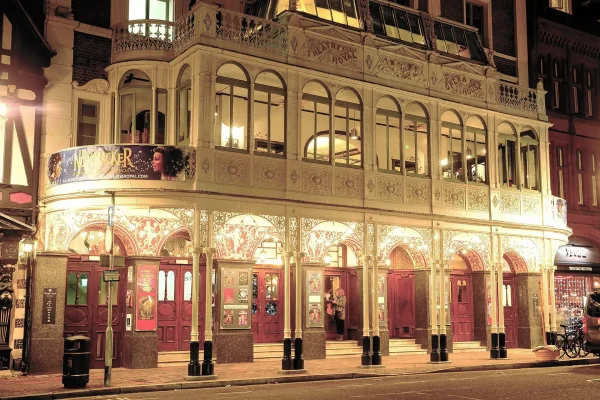
Today, Theatre Royal is a Grade II* listed cultural landmark. It houses a proscenium-arch stage, a modern fly tower, a 500 seat auditorium, orchestra pit, technical workshop, and a Studio for rehearsal and learning.
Sitting under the umbrella of Portsmouth Theatres with the Kings Theatre, it stands proudly in the city centre.
It’s a working theatre, a living archive, a community hub, and a space for artists, audiences and future stories.